




Adelaide Warehouse Pest Control Solutions
At EcoPest Group, we bring over three decades of expertise in HACCP Pest Control Programs, specifically tailored for warehouse and logistics sites. Our team of highly qualified technicians specialises in delivering a range of pest control solutions, meticulously designed to safeguard your professional reputation while surpassing all relevant auditing requirements.

Licensed and Insured Technicians
All our service technicians are licensed by state health departments, trained to the highest standards and experts in all aspects of HACCP pest control programs. EcoPest Group is a fully insured company.

Digital HACCP Reporting, Remote Monitoring & Compliance Documentation
As leaders in warehouse pest control in Adelaide, EcoPest Group stands apart with our digital HACCP reporting, remote monitoring, and comprehensive compliance documentation. Our advanced digital formats, including the innovative Ecobox non-toxic remote pest control system, enable us to provide 24/7 monitoring of your site, ensuring constant vigilance against pests.

100% Australian Owned and Operated
Proudly 100% Australian owned and operated, EcoPest Group is not a franchise or multinational entity. We are committed to eco-friendly warehouse pest control solutions, reflecting our dedication to environmental stewardship and sustainable practices.
Proudly Trusted By & Servicing



























Exceeding Standards in Commercial Warehouse Pest Control
Understanding the critical nature of pest management in the storage and transport phases, EcoPest Group focuses on prevention, monitoring, and effective treatment procedures. We ensure meticulous documentation for HACCP pest control compliance, protecting your business from the risks associated with pests.
Our expertise in commercial warehouse pest control spans over 30 years, equipping us with the knowledge to protect your business’s reputation regardless of its size. Each HACCP pest control program is custom-designed to meet your specific needs, with detailed assessments and APVMA-approved, HACCP-compliant treatment methods.
Comprehensive Control for Common Warehouse Pests
EcoPest Group is adept at managing a variety of pests commonly encountered in warehouses and transportation, including rodents, crawling insects, stored food insects and flying insects.
- Rodent Control: Routine monthly monitoring, using tamper-resistant stations and the Ecobox for heightened areas of activity.
- Crawling Insect Management: Utilising residual insecticides and non-toxic monitors, with increased focus where activity is detected.
- Stored Food Insect Monitoring: Monthly pheromone pot lures and proactive treatments, including thermal foggings and residual sprays.
- Flying Insect Solutions: Specialised UVA traps with shatterproof globes and glue boards, minimising contamination risks and ensuring thorough pest management.
Connect with EcoPest Group Today
Embark on a journey of unmatched warehouse pest control excellence in Adelaide with EcoPest Group. Contact us to protect your business with eco-friendly, efficient, and compliant pest control solutions. Trust EcoPest Group to be your partner in maintaining a pest-free, reputable, and safe warehousing environment.
BENEFITS OF OUR HACCP PEST CONTROL PROGRAMS

Electronic reports with photographic evidence
Our custom reporting system provides comprehensive electronic reports with photographic evidence, ensuring transparent communication after each service.

Client portal with trend analysis
Securely access all your reports, data, and trend analyses anytime through our client portal.

Barcoded Devices
Utilising barcode technology, our technicians accurately record findings in tamper-resistant stations and the Ecobox remote monitoring system.

Ecobox 24/7 Remote Digital Pest Control
Our non-toxic Ecobox solution offers around-the-clock monitoring, reducing the need for traditional pesticides and ensuring prompt response to any detected activity.
Common Pests Found In Warehouses
Our expertise extends to managing a range of pests commonly encountered in Warehouses, including rats, mice, crawling insects, flying insects, and stored food insects.
Rats & Mice
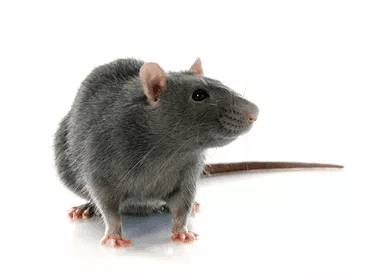
Rats and mice are a common pest found around warehouse and facilities under HACCP control, common problems rats and mice cause are:
- Rats and mice pose health risks because they carry and spread diseases
- rats and mice contaminate food with their hair, droppings and urine, resulting in food poisoning and spoilage
- They damage stock and cause economic loss to stock
Crawling Insects
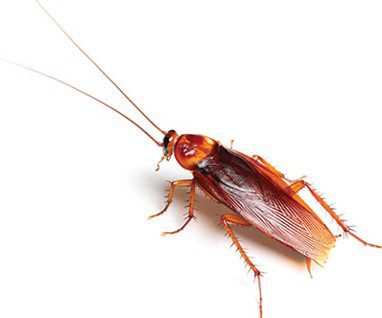
Crawling insects such as cockroaches and ants are a common pest found during warehousing goods, common problems crawling insects cause are:
- Cockroaches are linked with allergic reactions in humans
- They can passively transport microbes on their body surfaces, particularly in food related environments
- Alert auditors to problems and can affect operations of your business
Stored Food Insects
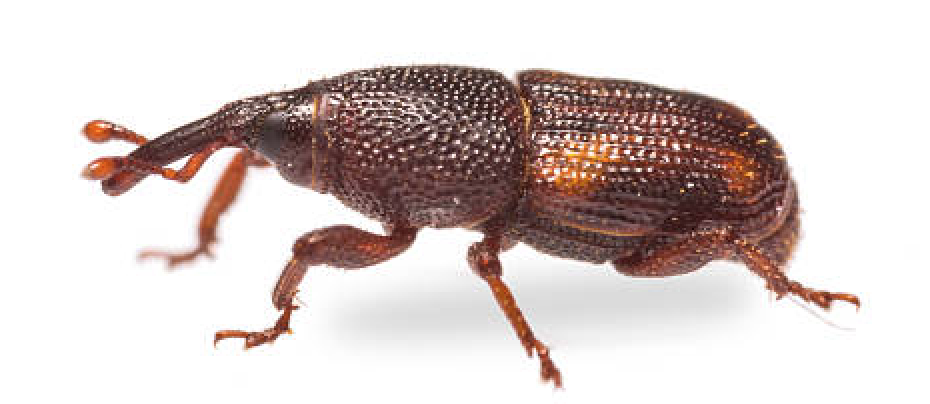
Stored food insects such as indian meal moth, grain weevils and flour beetles are a common pest found around warehouses and other HACCP facilities, common problems store food insects cause are:
- Stored food insects can damage stock causing economic loss
- They can harm your relations with your customers
Flying Insects
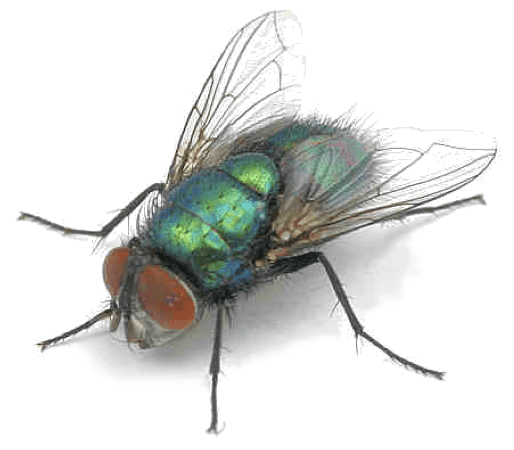
Flying insects such as flies and mosquitoes are a common pest found around warehouses and other HACCP related facilities, some problems flying insects cause are:
- Flies and mosquitoes spread disease
- They contaminated stock and cause economic loss
- Flies transmit food poisoning, dysentery, and diarrhea and other disease
- The effect your reputation
Warehouse Pest Control Methods
Rodent Control In Warehouses
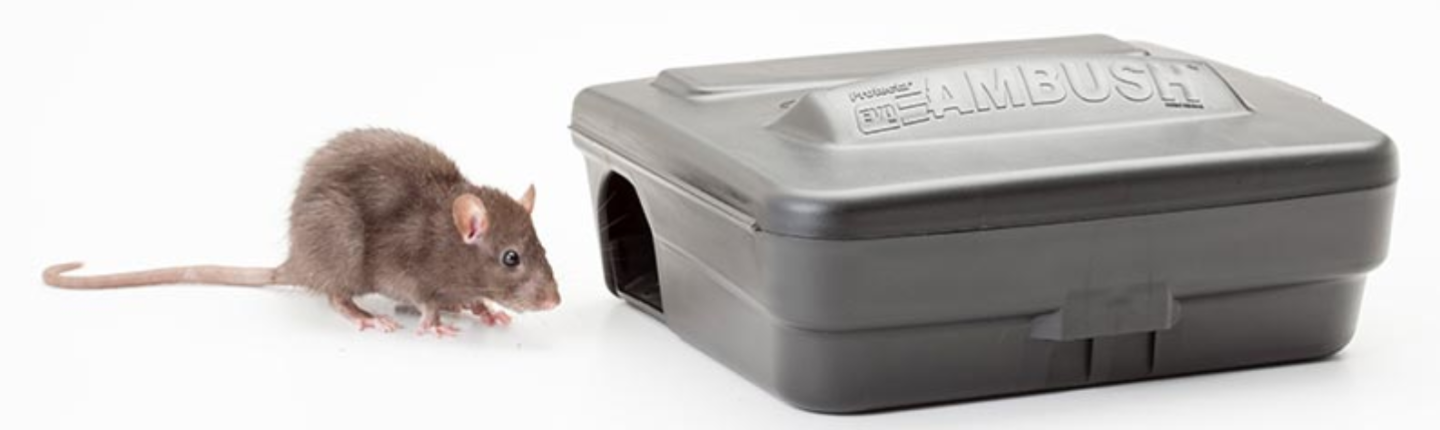
Rodent control in warehouses requires a sound understanding of your business to ensure rodents are kept at bay while complying with your third-party HACCP audits, if required.
Rodents are controlled on a routine monthly or quarterly basis around the exterior of warehouses with approved rodenticide baits fixed in tamper-resistant stations, while mechanical traps and non-toxic monitors are used in sensitive areas such as food production areas. Remote monitoring with the Ecobox allows us to increase our efforts in areas where activity is detected.
Crawling Insect Control In Warehouses
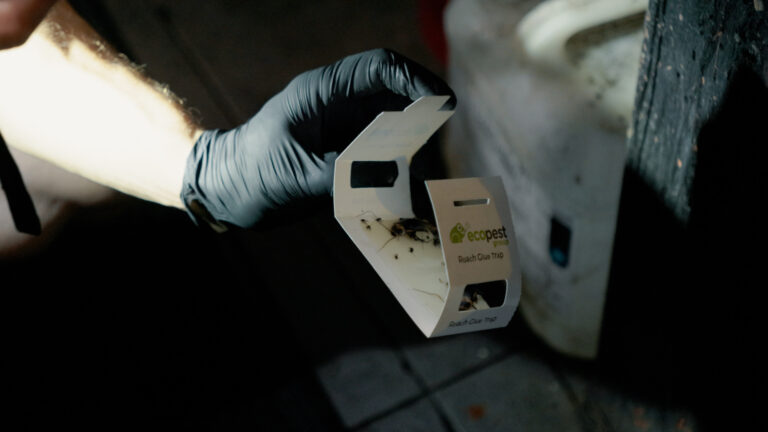
Crawling insects are controlled during routine monthly or quarterly services. This is a strategic process, by targeting treatment efforts around the external and monitoring the internal, crawling insects are kept at bay while complying with your third-party HACCP audits if required.
Crawling insects are controlled around the external of warehouses with approved residual insecticides applied via our state-of-the-art FlowZone sprayers, while glue trap stations and non-toxic monitors are used in sensitive areas such as food production areas. Remote monitoring with the Ecobox allows us to increase our efforts in areas where crawling insect activity is detected.
Stored Food Insect Control In Warehouses
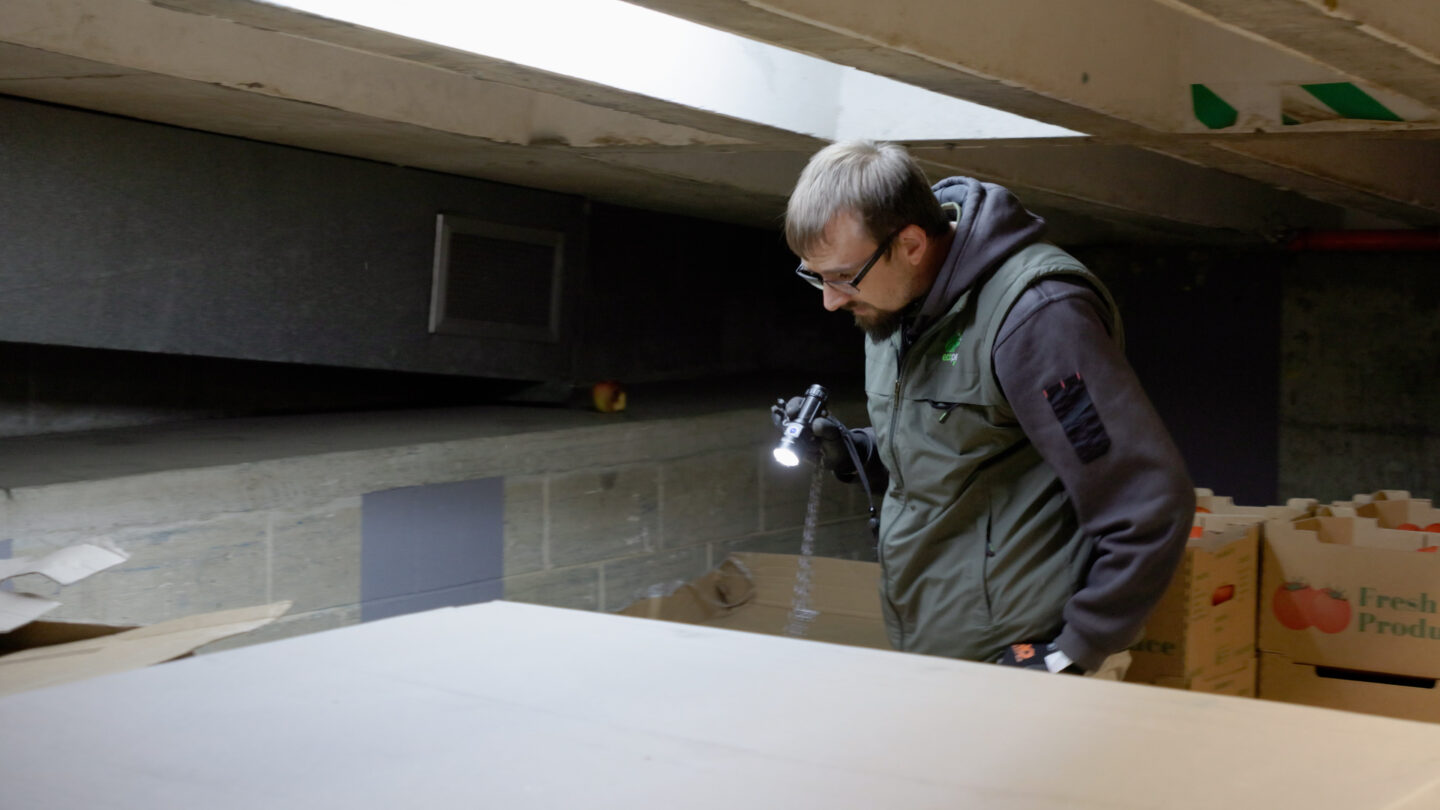
Stored food insect control in warehouses is both a proactive and reactive strategy to ensure your premises remain free of infestations while complying with your third-party HACCP audits if required.
Food storage insects are controlled and monitored on a monthly or quarterly basis via non-toxic pheromone pot lures in sensitive areas, such as food production areas, staff kitchens, etc. Treatments are ramped up when insect activity is detected in early stages, while proactive treatments include Quarterly thermal fogging and residual sprays.
Flying Insect Control For Warehouses
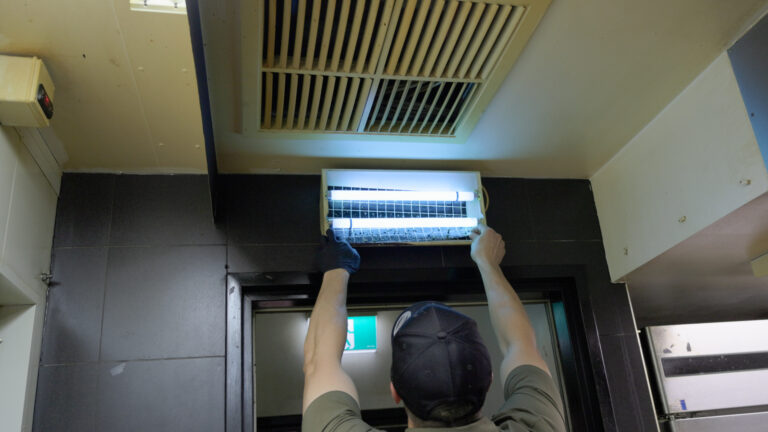
Flying insects are controlled in warehouses, both a proactive and reactive strategy, to ensure your premises remain free of infestations while complying with your third-party HACCP audits when required.
Flying insects are controlled and monitored on a Monthly or Quarterly basis via specialized UVA flying insect traps, these traps are installed with insect specific shatterproof globes and glue boards that are designed to attract insects, the shatterproof globes minimise the risk of glass contamination while the glue boards ensure insects do not contaminate food, treatments are ramped up when insect activity is detected in early stages, while proactive treatments include thermal fogging and residual sprays.
Warehouse Pest Control FAQs
How does HACCP relate to warehouse pest control?
EcoPest Group professionals work with food related industry to ensure product safety, protect public health and meet compliance of auditors.
The Hazard Analysis and Critical Control Points (HACCP) system is a proactive methodology developed for food related industries to protect food from potential contamination.
This risk management tool focuses on hazards that may affect food safety and is used to address food safety issues.
The system is relevant to all sectors of food related industries, including producers, manufacturers, processors and food service operators who want to comply with food safety legislation requirements.
HACCP for Pest Control is a proactive strategy that calls for a preventive approach to pest control vs. the reactive approach of knocking down pests once they reach appear. The Pest Aid HACCP pest control programs deal with microbiological, chemical and physical hazards, is designed to identify potential food safety hazards, implement control programs or elimination steps for these hazards related to pests, and provide for ongoing management of these controls.
The EcoPest Group HACCP pest control team are highly trained in the policies and procedures that act as the control for potential food safety threats related to pest control.
The EcoPest Group HACCP pest control programs utilize devices such as insect traps, rodent traps and exterior rodent bait stations and pest entry proofing.
Results of the each service are detailed in a HACCP pest control report.
Periodically a trend analysis will be performed to confirm any trends that may be occurring related to pest activity. the findings may initiate corrective actions to be taken when pest monitoring shows activity.
How often should my HACCP warehouse site be serviced for pest control?
Most sites that are under regulation of third party HACCP auditors should be services on a Monthly basis or more frequently when pest pressure is high.
Why is pest control important in warehouses?
Warehouses are highly vulnerable to pest activity due to:
- large storage areas
- constant stock movement
- loading dock access
- food and packaging materials
- hidden nesting areas
Rodents, cockroaches, stored product insects, and birds can contaminate stock, damage packaging, create health risks, and impact HACCP compliance. Ongoing warehouse pest control helps reduce operational risks while protecting staff, customers, products, and your business reputation.
What pests are commonly found in Adelaide warehouses?
Common warehouse pests throughout Adelaide include:
- rats and mice
- cockroaches
- ants
- stored product insects
- flies
- pigeons and pest birds
Different warehouse environments attract different pest pressures depending on:
- stock type
- food storage
- moisture levels
- waste handling
- surrounding vegetation
- loading dock activity
Warehouses storing food products, packaging, grain, or imported goods often face higher pest risks.
What is HACCP warehouse pest control?
HACCP pest control refers to pest management programs designed to help businesses comply with Hazard Analysis and Critical Control Point (HACCP) requirements.
Warehouse HACCP pest control programs typically include:
- routine inspections
- pest monitoring devices
- digital reporting
- trend analysis
- corrective actions
- compliance documentation
- preventative pest management strategies
These programs help businesses prepare for food safety audits and reduce contamination risks.
How often should warehouse pest inspections be completed?
Most Adelaide warehouses benefit from ongoing monthly pest inspections, particularly:
- food warehouses
- logistics facilities
- transport depots
- manufacturing sites
- cold storage facilities
Higher-risk sites may require more frequent monitoring depending on:
- audit requirements
- pest history
- stock type
- environmental conditions
- operational risks
Preventative pest management is generally far more effective than reacting to large infestations after they occur.
What are stored product insects?
Stored product insects are pests that infest:
- packaged foods
- grains
- cereals
- flour
- dry goods
- pet food
- raw ingredients
Common examples include:
- Indian meal moths
- grain weevils
- flour beetles
These pests can contaminate stock, cause financial losses, and create major compliance issues within warehouses and food distribution facilities.
How do rodents enter warehouses?
Rodents commonly enter warehouses through:
- loading dock doors
- roller doors
- drainage systems
- roof gaps
- damaged walls
- service penetrations
Rats and mice can squeeze through surprisingly small openings and often nest in:
- pallet storage
- roof voids
- wall cavities
- storage racks
- plant rooms
Warehouses with high stock turnover and frequent deliveries are especially vulnerable to rodent activity.
Can pests damage warehouse stock and equipment?
Yes. Pest infestations in warehouses may result in:
- contaminated stock
- damaged packaging
- spoiled food products
- electrical damage
- equipment failures
- health risks
- failed audits
- reputational damage
Rodents may also chew electrical wiring and insulation, increasing fire and safety risks within warehouse facilities.
What is remote pest monitoring?
Remote pest monitoring uses digital monitoring technology to track pest activity in real time without relying solely on manual inspections.
EcoPest Group’s Ecobox remote monitoring system provides:
- 24/7 monitoring
- rapid activity alerts
- non-toxic monitoring solutions
- improved trend analysis
- reduced pesticide usage
- enhanced compliance reporting
This technology helps warehouse operators respond faster to pest activity while improving overall site protection.
How can warehouses help prevent pest infestations?
Warehouses can reduce pest risks by:
- keeping storage areas clean
- rotating stock correctly
- reducing clutter
- sealing entry points
- managing waste effectively
- maintaining loading dock seals
- fixing leaks and drainage problems
- scheduling regular pest inspections
Integrated pest management (IPM) programs combining prevention, monitoring, and targeted treatments provide the most effective long-term protection.
Do warehouse pest control programs include digital reporting?
Yes. Professional warehouse pest control programs often include:
- digital service reports
- photographic evidence
- pest trend analysis
- device mapping
- compliance documentation
- audit-ready reporting
Digital reporting helps warehouse operators maintain accurate records for HACCP, food safety, and third-party auditing requirements.