




Adelaide Hospitality Pest Control Solutions
With 30 years experience in Hospitality Pest Control Programs, our technicians are highly qualified and skilled to deal with your pest problems. We pride ourselves on providing a range of pest control solutions that will ensure your professional reputation is protected.

Licensed and Insured Technicians
All our service technicians are licensed by state health departments, trained to the highest standards and experts in all aspects of hospitality pest control programs. EcoPest Group is a fully insured company.

Digital Reporting, Remote Monitoring & Compliance Documentation
All service reports, trend analysis and compliance documents are provided in state of the art digital formats, Ecobox non toxic remote pest control allows us to monitor your site for pests 24/7.

100% Australian Owned and Operated
EcoPest Group is 100% South Australian owned and operated by South Australian Pest Control Experts.
Proudly Trusted By & Servicing



























Why Choose EcoPest Group?
EcoPest Group stands at the forefront of hospitality pest control excellence, where the safety and reputation of your hospitality business in Adelaide are our top priority. At EcoPest Group, our team understands the unique challenges that the hospitality sector faces when it comes to pest management.
Unlike general pest control, hospitality pest control demands a more nuanced and sophisticated approach, tailored to safeguard the high standards of hygiene and customer satisfaction that your business strives for. Our expertise in eco-friendly hospitality pest control solutions ensures that your establishment not only meets but exceeds health and safety regulations, providing a pristine, pest-free environment for your guests.
Tailored Hospitality Pest Control Solutions
In the dynamic world of hospitality, the presence of pests can tarnish your hard-earned reputation in an instant. This is why EcoPest Group specialises in comprehensive pest control strategies designed specifically for the hospitality industry. Our approach is not one-size-fits-all; we understand that each business is unique. Whether you’re running a bustling hotel or a cosy café in Adelaide, our team of HAACP Pest Control experts brings over 30 years of industry experience to devise a customised pest management plan that aligns with your specific needs.
Eco-Friendly Practices for a Greener Tomorrow
Eco-friendliness is at the heart of our operations – we are committed to utilising APVMA-approved, eco-friendly pest control methods that not only effectively eliminate pests but also minimise environmental impact. Our innovative solutions, including the use of non-toxic monitors and eco-conscious application methods, ensure that your hospitality business contributes to a healthier planet while maintaining the utmost standards of pest control.
Advanced Technology for Unmatched Precision
Embracing technological advancements, EcoPest Group introduces the Ecobox, a state-of-the-art, non-toxic remote monitoring system that allows us to detect and address pest activities in real-time. This cutting-edge technology, combined with our digital reporting and compliance documentation, ensures that your business remains ahead of pest management, allowing for immediate action and prevention strategies that keep your premises pest-free and compliant with health regulations.
Comprehensive Pest Management for Every Need
From rodents and flying insects, our exhaustive pest control methods cover all bases. Our tailored strategies include routine monitoring, the use of tamper-resistant stations, and eco-friendly treatments designed to target and eliminate pests at their source. Quarterly atmospheric gassing, specialised UVA flying insect traps, and proactive treatments ensure that pests are not only controlled but prevented from re-entering your establishment.
BENEFITS OF OUR HACCP PEST CONTROL PROGRAMS

Electronic reports with photographic evidence
Utilising our customised reporting system all findings, recommendations, photos and data are recorded and documented into an easy to read electronic report that is discussed upon completion of each service and emailed to your nominated staff member responsible for the program.

Client portal with trend analysis
Findings of each service are automatically uploaded and securely stored into the Client portal, you will be given a login and password to instantly access at anytime all your reports, data and trend analysis for your site.

Barcoded Devices
All EcoPest Group hospitality pest control programs utilise barcode technology to allow the field service Technicians to record findings in devices such as tamper resistant rodent stations, UVA fly light traps and the Eco Box remote monitoring system.

Ecobox 24/7 Remote Digital Pest Control
Ecobox is digital non toxic pest control solution that allows us to monitor your site 24/7, devices for rodents and insects are monitored remotely via WIFI cameras inside each Ecobox. Outside of the routine services the Ecobox solution greatly reduces the need for rodenticide and insecticide application remote viewing allows us to react when activity has been recorded, a technician will be dispatched to take the necessary action to ensure the activity does not result in an infestation.
Common Pests Found In Hospitality
Rats & Mice
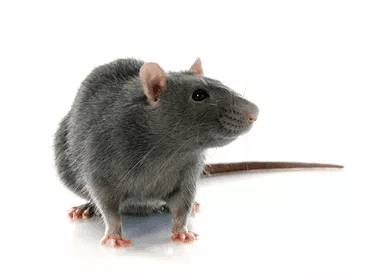
Rats and mice are a common pest found around food and beverage premises, common problems rats and mice cause are:
- Rats and mice pose health risks because they carry and spread diseases
- rats and mice contaminate food with their hair, droppings and urine, resulting in food poisoning and spoilage
- They damage stock and cause economic loss to stock
Crawling Insects
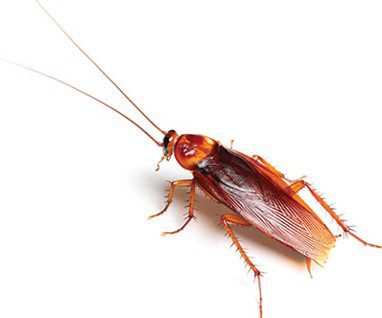
- Cockroaches are linked with allergic reactions in humans
- They can passively transport microbes on their body surfaces, particularly in food related environments
- Alert auditors to problems and can affect operations of your business
Stored Food Insects
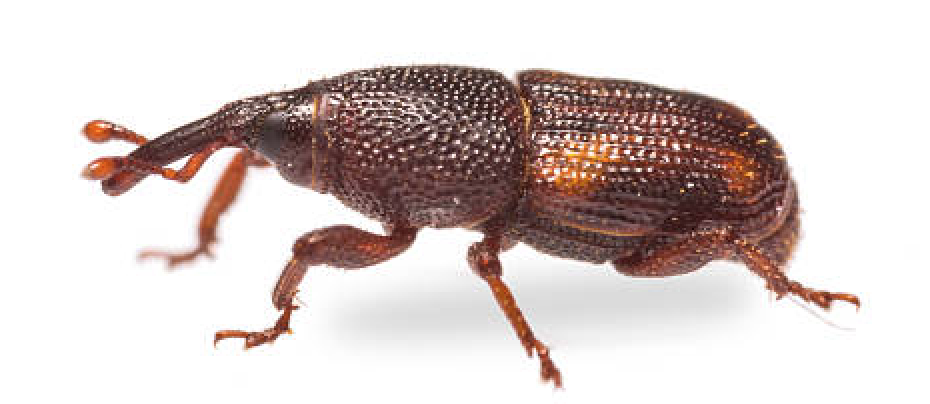
Stored food insects such as indian meal moth, grain weevils and flour beetles are a common pest found around store rooms and other susceptible areas, some common problems store food insects cause are:
- Stored food insects can damage stock causing economic loss
- They can harm your relations with your customers
Flying Insects
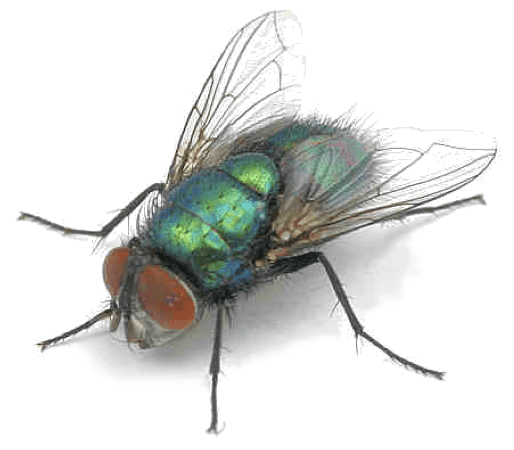
Flying insects such as flies and fermentations flies are a common pest found kitchens, bars, bin areas and other susceptible areas, some problems flying insects cause are:
- Flies and mosquitoes spread disease
- They contaminated stock and cause economic loss
- Flies transmit food poisoning, dysentery, and diarrhea and other disease
- The effect your reputation
Hospitality Pest Control Methods
Rodent Control In Hospitality
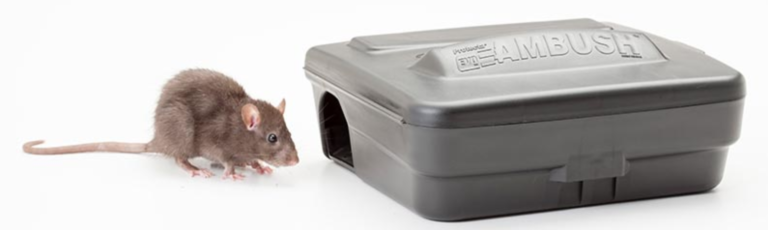
Rodent control in hospitality requires an expert understanding of where rats and mice can harbour, rodents are a main focus of all our pest control programs.
Rodents are commonly controlled on a routine Monthly basis around the internal and external of hospitality sites with approved rodenticide baits fixed in tamper resistant stations while mechanical traps and non toxic monitors are used in sensitive areas such food storage and packaging areas, remote monitoring with the Ecobox allows us to increase our efforts in areas where activity is detected.
Crawling Insect Control In Hospitality
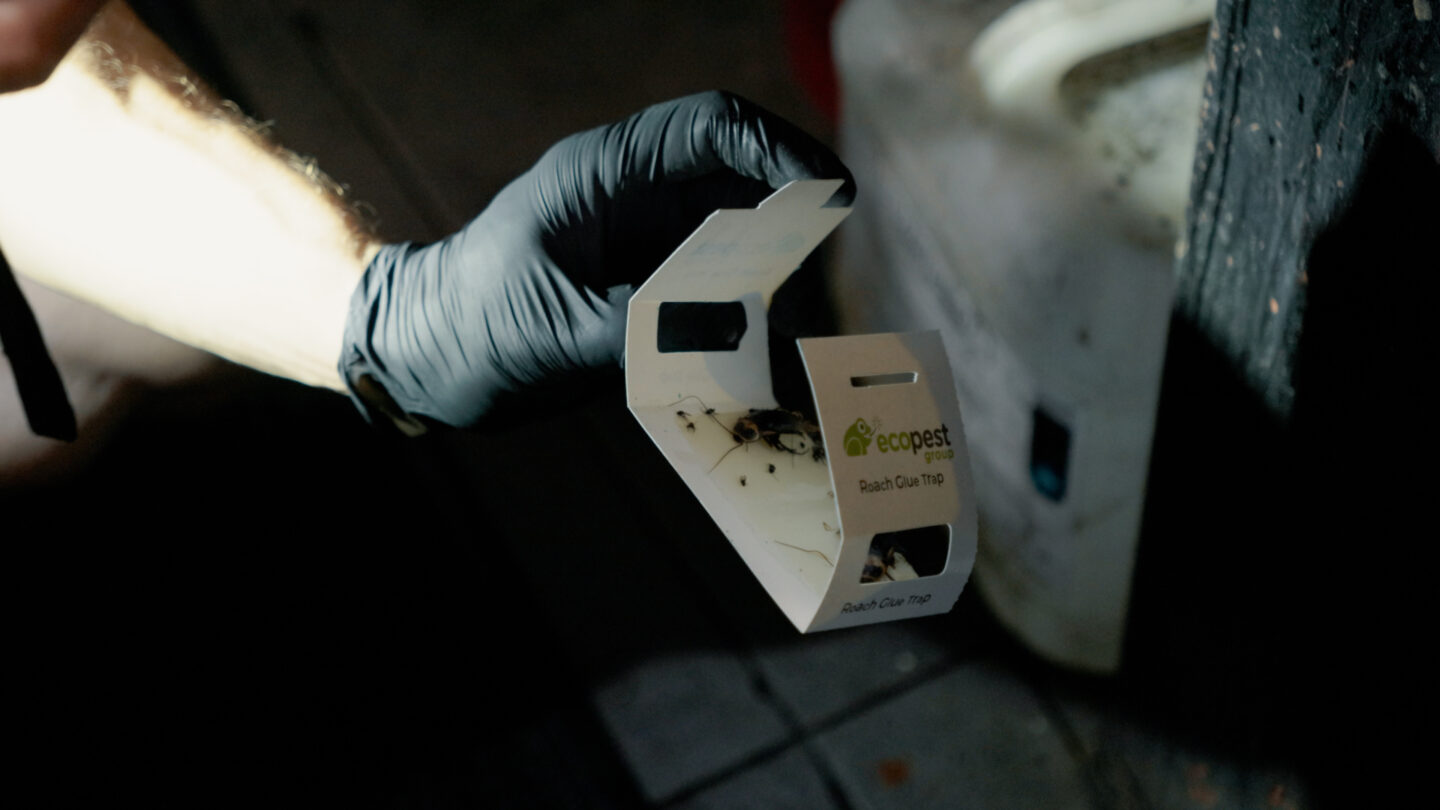
Crawling insects are controlled during routine Monthly services, this is a strategic process, by targeting treatment efforts around all internal and external hot spots.
Crawling insects are controlled around the external with approved residual insecticides applied via our state of the art FlowZone sprayers while gel baits, glue trap stations and non toxic monitors are used in sensitive areas such food storage and preparation areas, remote monitoring with the Ecobox allows us to increase our efforts in areas where crawling insect activity is detected.
Stored Food Insect Control In Store Rooms
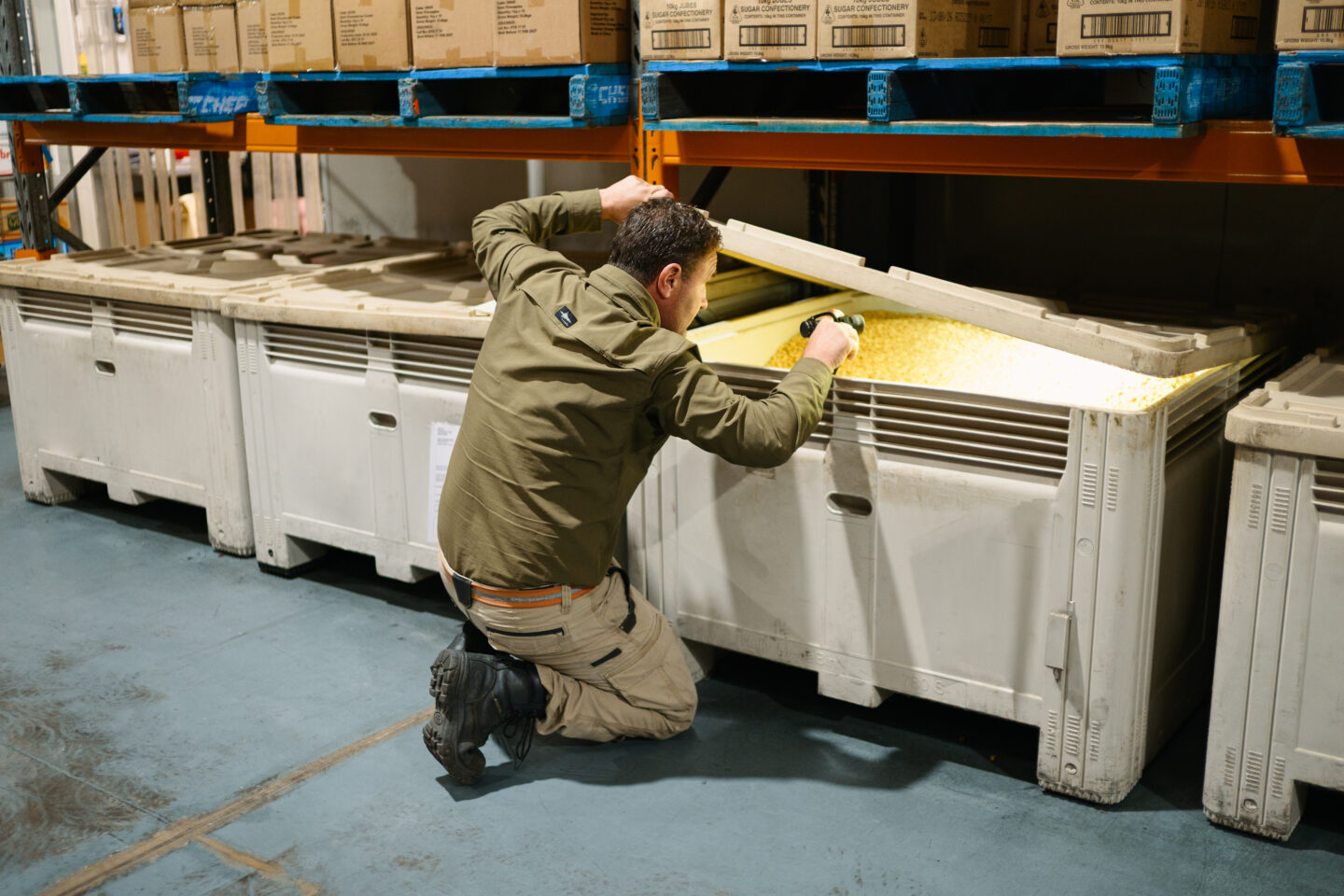
Stored food insect control is both a proactive and reactive strategy, to ensure your premise remains free of infestations while complying with health department requirements.
Food storage insects are commonly controlled and monitored via non toxic pheromone pot lures in sensitive areas such food storage areas, treatments are ramped up when insect activity is detected in early stages, while proactive treatments include Quarterly atmospheric gassing and residual sprays.
Flying Insect Control For Hospitality
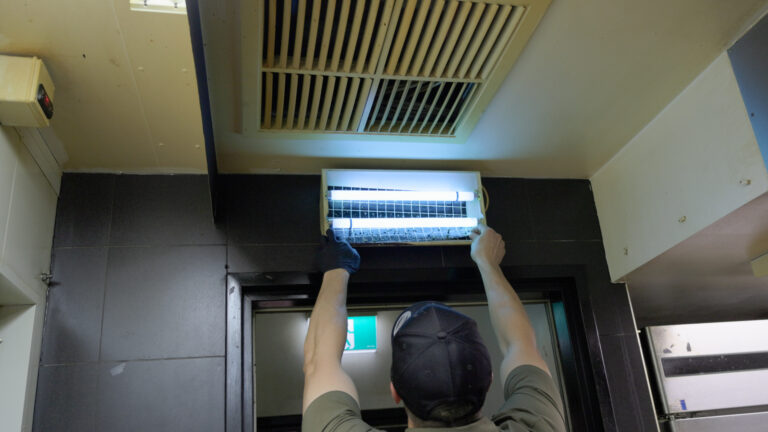
Flying insects are controlled around bins, in kitchens, store rooms, bars and dining areas to ensure your premise remains free of infestations.
Flying insects are controlled and monitored on a Monthly basis via specialized UVA flying insect traps, these traps are installed with insect specific shatterproof globes and glue boards that are designed to attract insects, the shatterproof globes minimise the risk of glass contamination while the glue boards ensure insects do not contaminate stock, treatments are ramped up when insect activity is detected in early stages, while proactive treatments include drain foaming and residual spraying around bins and other susceptible areas.
Hospitality Pest Control FAQs
What is HACCP?
HACCP is a food safety and risk assessment plan that was originally developed in the 1960’s by NASA and a group of food safety specialists.
HACCP stands for Hazard Analysis and Critical Control Points and outlines seven key principles in food safety
Hazard Analysis Critical Control Points (HACCP) is a system which provides the framework for monitoring the total food system process, from harvesting to consumption, to reduce the risk of foodborne illness. The system is designed to identify and control potential problems before they occur.
Currently, the food industry, including foodservice, supports the use of HACCP and its principles as the best system currently available to reduce and prevent foodborne illness. HACCP was first developed and used by the Pillsbury Company in the late 1950’s to provide safe food for America’s space program.
HACCP is based on the following 7 principles
- Perform a Hazard Analysis
- Determine Critical Control Points (CCPs)
- Determine Critical Limits for Each CCP
- Institute Monitoring Procedures
- Establish Corrective Actions
- Implement Record-Keeping Procedures
- Institute Verification Procedures
How Does HACCP relate to pest control?
EcoPest Group professionals work with food related industry to ensure product safety, protect public health and meet compliance of auditors.
The Hazard Analysis and Critical Control Points (HACCP) system is a proactive methodology developed for food related industries to protect food from potential contamination.
This risk management tool focuses on hazards that may affect food safety and is used to address food safety issues.
The system is relevant to all sectors of food related industries, including producers, manufacturers, processors and food service operators who want to comply with food safety legislation requirements.
HACCP for Pest Control is a proactive strategy that calls for a preventive approach to pest control vs. the reactive approach of knocking down pests once they reach appear. The EcoPest Group HACCP pest control programs deal with microbiological, chemical and physical hazards, is designed to identify potential food safety hazards, implement control programs or elimination steps for these hazards related to pests, and provide for ongoing management of these controls.
The EcoPest Group HACCP pest control team are highly trained in the policies and procedures that act as the control for potential food safety threats related to pest control.
The EcoPest Group HACCP pest control programs utilize devices such as insect traps, rodent traps and exterior rodent bait stations and pest entry proofing.
Results of each service are detailed in a HACCP pest control report.
Periodically, a trend analysis will be performed to confirm any trends that may be occurring related to pest activity. The findings may initiate corrective actions to be taken when pest monitoring shows activity.
How often should my hospitality site be serviced for pest control?
Most food and beverage sites should be services on a Monthly basis or more frequently when pest pressure is high.
Is Pest Control Mandatory In My Business
No, pest control is highly recommended but not mandatory in hospitality businesses.
Why is pest control important in hospitality venues?
Hospitality venues such as restaurants, cafes, pubs, bars, hotels, and commercial kitchens are highly vulnerable to pest activity due to:
- food preparation
- waste generation
- customer traffic
- moisture
- warm indoor environments
- frequent deliveries
Pests such as rodents, cockroaches, flies, ants, and stored product insects can contaminate food, damage reputation, impact customer experience, and create serious food safety risks. Ongoing pest management helps hospitality businesses maintain cleaner, safer, and more compliant environments.
What pests are commonly found in hospitality businesses?
Common pests found throughout Adelaide hospitality venues include:
- rats and mice
- cockroaches
- flies
- ants
- stored product insects
- birds
Different areas attract different pest pressures. For example:
- kitchens and bars attract cockroaches and flies
- loading docks attract rodents
- outdoor dining areas attract ants and birds
- dry storage areas may attract stored product insects
Routine inspections help identify pest activity before larger infestations develop.
Why are cockroaches dangerous in restaurants and commercial kitchens?
Cockroaches can spread bacteria and contaminate food preparation areas through:
- droppings
- saliva
- body fragments
- contact with food and surfaces
They commonly hide in:
- kitchen equipment
- drains
- wall cavities
- storage areas
- warm moisture-prone environments
Large infestations can create serious hygiene concerns and negatively impact food safety compliance within hospitality venues.
Why are rodents a major risk for hospitality businesses?
Rats and mice can contaminate food products, damage packaging, chew electrical wiring, and spread bacteria throughout hospitality venues. Rodents commonly enter through:
- loading docks
- drainage systems
- wall gaps
- roof voids
- service penetrations
Restaurants, bars, cafes, and hotels with frequent food deliveries and waste handling are especially vulnerable to rodent activity.
Can pests damage a hospitality business’s reputation?
Yes. Pest sightings in restaurants, cafes, hotels, or bars can negatively impact:
- customer confidence
- online reviews
- brand reputation
- food safety compliance
- audit performance
Preventative pest management helps businesses identify and address pest risks early before they become larger operational problems.
How can hospitality businesses reduce pest risks?
Hospitality venues can reduce pest activity by:
- maintaining strict cleaning schedules
- managing food waste correctly
- sealing entry points
- reducing moisture issues
- rotating stock properly
- cleaning spills quickly
- maintaining storage areas
- scheduling regular pest inspections
Early detection and preventative pest management are critical for reducing infestation risks in busy hospitality environments.
Do hospitality pest control programs include digital reporting?
Yes. Professional hospitality pest management programs may include:
- digital service reports
- photographic evidence
- pest activity trend analysis
- monitoring device records
- corrective action reporting
- audit-ready compliance documentation
Digital reporting helps hospitality businesses maintain accurate records for HACCP and food safety compliance requirements.
Why are commercial kitchens high-risk pest areas?
Commercial kitchens provide ideal conditions for pests due to:
- food storage
- grease build-up
- moisture
- warm temperatures
- drains and plumbing
- waste handling
Cockroaches, flies, ants, and rodents commonly infest commercial kitchens if sanitation, exclusion, and preventative pest management measures are not properly maintained.
This is a strong topical authority FAQ for hospitality SEO.