




Health & Aged Care Pest Control Adelaide
With 30 years experience in Pest Control Programs for health & aged care facilities, our technicians are highly qualified and skilled to deal with your pest problems. We pride ourselves on providing a range of pest control solutions that will ensure your professional reputation is protected.

SA Licensed and Insured Technicians
All our service technicians are licensed by state health departments, trained to the highest standards and experts in all aspects of health and aged care pest control programs. EcoPest Group is a fully insured company.

Digital Reporting, Remote Monitoring & Compliance Documentation
All service reports, trend analysis and compliance documents are provided in state of the art digital formats, Ecobox non toxic remote pest control allows us to monitor your site for pests 24/7.

100% South Australian Owned and Operated
Eco Pest Group is a 100% South Australian owned and operated by Australian Pest Control Experts, we are not a franchise or multi national.
Proudly Trusted By & Servicing



























At EcoPest Group, safeguarding the well-being of aged care and health facilities throughout Adelaide with superior pest control is our utmost priority. Understanding the unique challenges that aged care and health environments face, EcoPest Group delivers a specialised and comprehensive approach to pest management, ensuring a safe, healthy, and pest-free living space for your residents.
Unmatched Expertise in Aged Care Pest Control
Aged care pest control requires more than just a one-size-fits-all solution. Our dedicated team, with over 30 years of experience, specialises in addressing the specific needs of aged care facilities and retirement homes. We pride ourselves on our ability to create a balanced ecosystem that not only eradicates pests but does so with the utmost consideration for the health and safety of your residents and staff.
Tailored Pest Control Solutions for Every Aged Care Facility
Our approach to pest control in aged is eco-friendly and tailored to meet your facility’s unique requirements. From routine inspections to emergency interventions, EcoPest Groups solutions are designed to tackle common pests such as rodents, crawling insects, flying insects, stored food insects and spiders.
Rest assured, at EcoPest Group we utilise APVMA approved and HACCP compliant products and application methods. Our state-of-the-art techniques include the use of tamper-resistant stations, non-toxic monitors, gel baits, and UVA flying insect traps, ensuring optimal safety and effectiveness. Our commitment to eco-conscious practices reflects our dedication to preserving the environment while providing top-notch pest control services.
Ready to Partner with Eco Pest Group?
Our team is ready to assess your facility’s specific needs and craft a tailored pest control plan. Experience the difference with EcoPest Groups specialised, eco-friendly aged care pest control solutions in Adelaide.
BENEFITS OF OUR HEALTH & AGED CARE PEST CONTROL PROGRAMS

Electronic reports with photographic evidence
Utilising our customised reporting system all findings, recommendations, photos and data are recorded and documented into an easy to read electronic report that is discussed upon completion of each service and emailed to your nominated staff member responsible for the program.

Client portal with trend analysis
Findings of each service are automatically uploaded and securely stored into the Client portal, you will be given a login and password to instantly access at anytime all your reports, data and trend analysis for your site.

Barcoded Devices
All EcoPest Group hospitality pest control programs utilise barcode technology to allow the field service Technicians to record findings in devices such as tamper-resistant rodent stations, UVA fly light traps and the Eco Box remote monitoring system.

Ecobox 24/7 Remote Digital Pest Control
Ecobox is digital non toxic pest control solution that allows us to monitor your site 24/7, devices for rodents and insects are monitored remotely via WIFI cameras inside each Ecobox. Outside of the routine services the Ecobox solution greatly reduces the need for rodenticide and insecticide application remote viewing allows us to react when activity has been recorded, a technician will be dispatched to take the necessary action to ensure the activity does not result in an infestation.
Common Pests Found In Health & Aged Care Facilities
Rats & Mice in Health & Aged Care Facilities
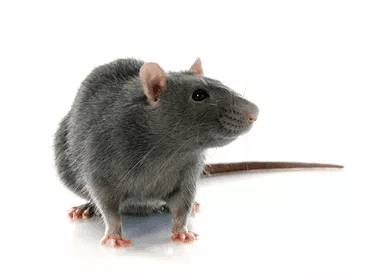
Rats and mice are common pests found around health and aged care facilities as residents drop food there is often plenty of available food source for rodents, common problems rats and mice cause are:
- Rats and mice pose health risks because they carry and spread diseases
- rats and mice contaminate food with their hair, droppings and urine, resulting in food poisoning and spoilage
- They damage stock and cause economic loss to stock
Crawling Insects In Health and Aged Care Facilities
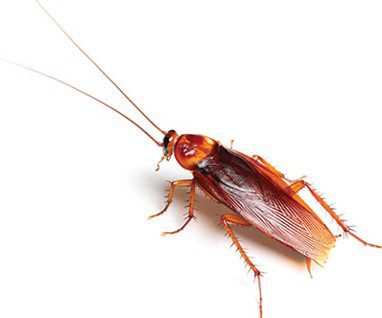
Health and aged care facilities are a breeding ground for crawling insects such as cockroaches and, some common problems crawling insects cause are:
- Cockroaches are linked with allergic reactions in humans
- They can passively transport microbes on their body surfaces, particularly in food related environments
- Alert auditors to problems and can affect operations of your business
Spiders in Health and Aged Care Facilities
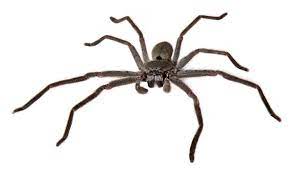
Spiders are a common pest found around health and aged care facilities, there are plenty of nooks and crannies for them to hide, spiders aren’t only unsightly, but they can be extremely dangerous, some species of spiders such as the redback and white tail can have serious adverse health effects, common problems spiders cause are:
Some signs of a spider bite:
- Skin narcosis
- Redness and itching.
- nausea
- vomiting
- sweating (perspiring)
- Dilated pupils.
- Uncontrollable muscle spasms.
- Unconsciousness.
- Sightings of spiders can stress out staff and residents
Stored Food Insects In Health and Aged Care Facilities
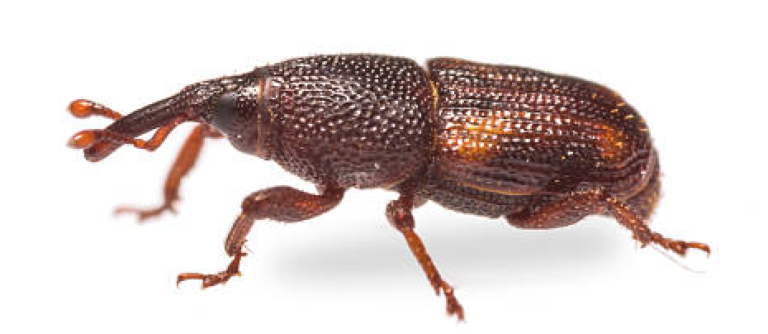
Stored food insects such as indian meal moth, grain weevils and flour beetles are a common pest found around store rooms and other susceptible areas, some common problems store food insects cause are:
- Stored food insects can damage stock causing economic loss
- They can harm your relations with your customers
Flying Insects In Health and Aged Care Facilities
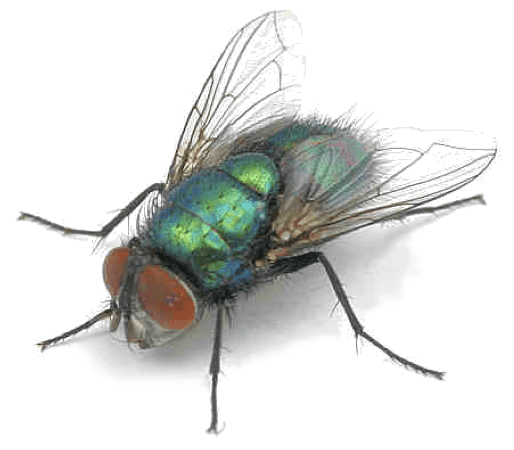
Flying insects such as house flies, mosquitos and fermentation flies are a common pest found around kitchens, serveries, bin areas and other susceptible areas, some problems flying insects cause are:
- Flies and mosquitoes spread disease
- They contaminated stock and cause economic loss
- Flies transmit food poisoning, dysentery, and diarrhea and other disease
- The effect your reputation
Health and Aged Care Pest Control Methods
Rodent Control In Health & Aged Care Facilities
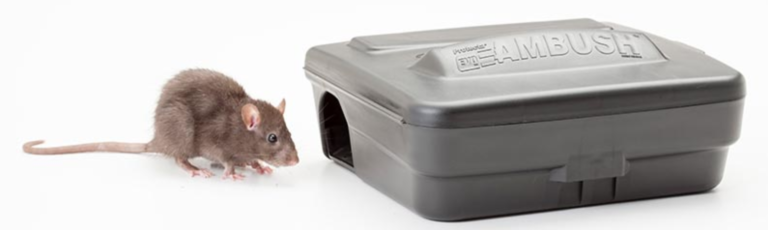
Rodent control in health and aged care facilities requires an expert to understanding where rats and mice can harbour, rodents are a main focus of all our pest control programs.
Rodents are commonly controlled on a routine Monthly basis around the internal and external of health and aged care sites with approved rodenticide baits fixed in tamper resistant stations while mechanical traps and non toxic monitors are used in sensitive areas such food storage and packaging areas, remote monitoring with the Ecobox allows us to increase our efforts in areas where activity is detected.
Crawling Insect Control In Health And Aged Care Facilities
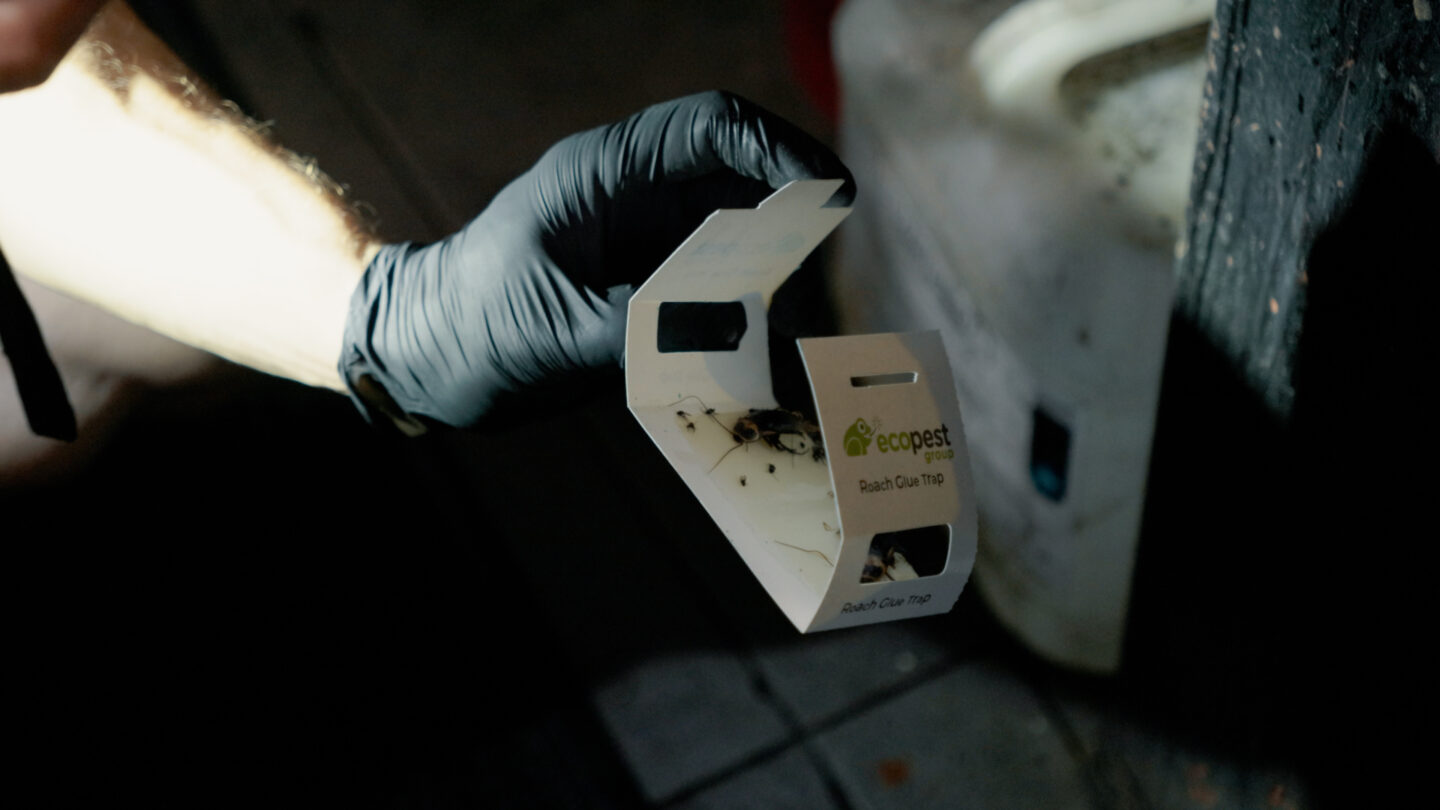
Crawling insects are controlled during routine Monthly services in health and aged care facilities, this is a strategic process, by targeting treatment efforts around all internal and external hot spots.
Crawling insects are controlled around the external with approved residual insecticides applied via our state of the art FlowZone sprayers while gel baits, glue trap stations and non toxic monitors are used in sensitive areas such food storage and preparation areas, remote monitoring with the Ecobox allows us to increase our efforts in areas where crawling insect activity is detected.
Stored Food Insect Control In Store Rooms In Health And Aged Care Facilities
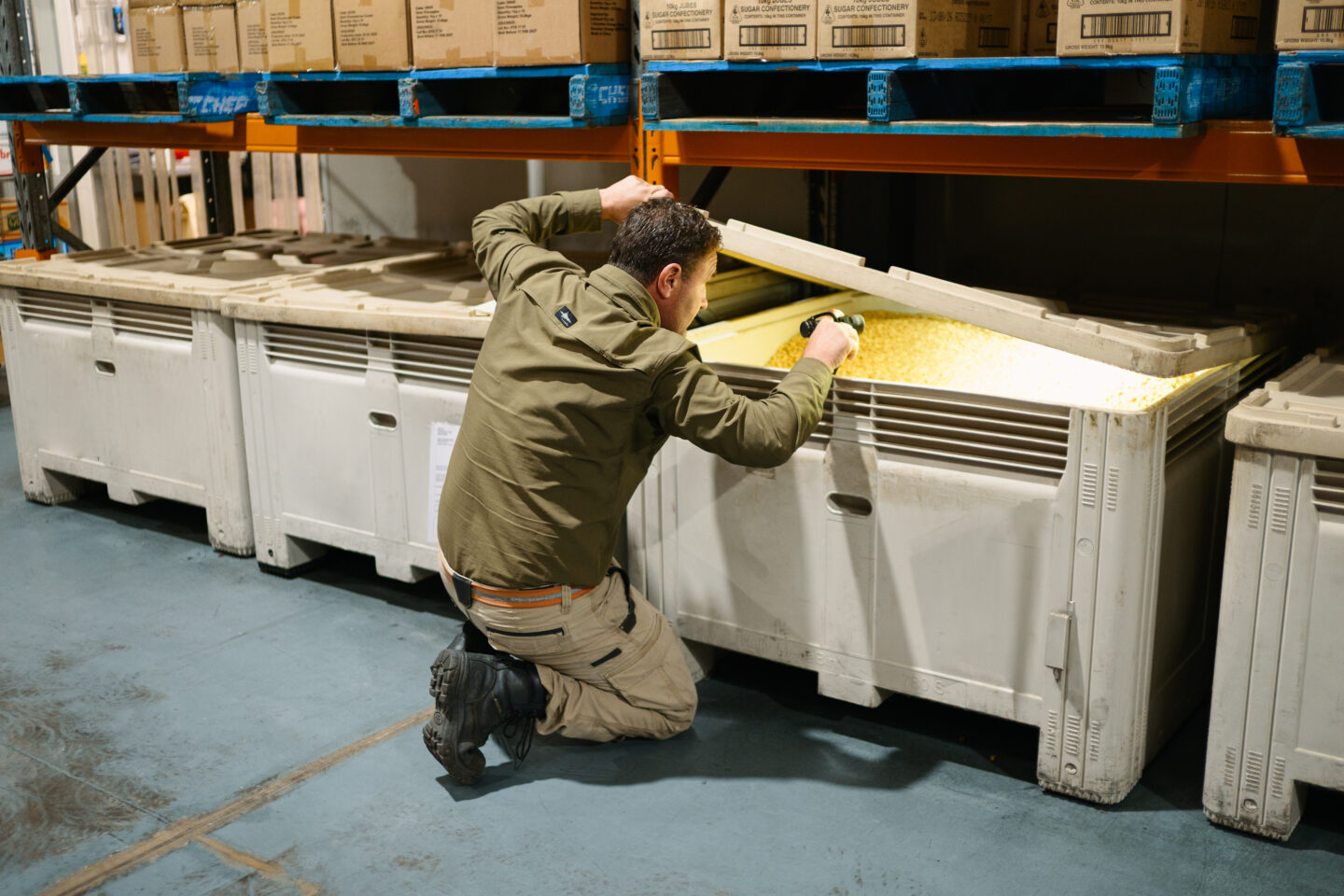
Stored food insect control is both a proactive and reactive strategy, to ensure your premise remains free of infestations while complying with health department requirements.
Food storage insects are commonly controlled and monitored via non toxic pheromone pot lures in sensitive areas such food storage areas, treatments are ramped up when insect activity is detected in early stages, while proactive treatments include Quarterly atmospheric gassing and residual sprays.
Flying Insect Control In Health And Aged Care Facilities
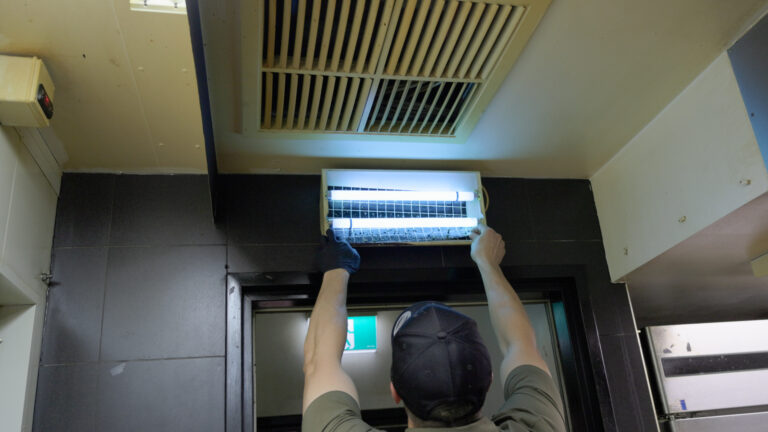
Flying insects are controlled around kitchens, store rooms, bars and dining areas to ensure your premise remains free of infestations.
Flying insects are controlled and monitored on a Monthly basis via specialized UVA flying insect traps, these traps are installed with insect specific shatterproof globes and glue boards that are designed to attract insects, the shatterproof globes minimise the risk of glass contamination while the glue boards ensure insects do not contaminate stock, treatments are ramped up when insect activity is detected in early stages, while proactive treatments include drain foaming and residual spraying around bins and other susceptible areas.
Health and Aged Care Pest Control FAQs
Why is pest control important in health and aged care facilities?
Health and aged care facilities require strict pest management to help protect vulnerable residents, patients, staff, and visitors from hygiene and health risks. Pests such as rodents, cockroaches, flies, ants, and birds can spread bacteria, contaminate food preparation areas, damage property, and negatively impact infection control standards. Ongoing preventative pest management helps maintain cleaner, safer, and more compliant healthcare environments.
What pests are commonly found in health and aged care facilities?
Common pests found in Adelaide healthcare and aged care facilities include:
- rats and mice
- cockroaches
- ants
- flies
- spiders
- birds
- bed bugs
Different facility areas attract different pest pressures, including:
- kitchens and dining areas
- patient rooms
- waste collection zones
- laundries
- storage rooms
- roof voids and gardens
Routine inspections help identify pest risks before infestations become established.
Are pest control treatments safe for aged care facilities and healthcare environments?
Professional healthcare pest control programs are designed to minimise disruption and reduce risks to residents, patients, staff, and visitors. Treatments are carefully planned around:
- vulnerable occupants
- infection control procedures
- low-occupancy periods
- targeted treatment methods
- integrated pest management strategies
Where possible, preventative and low-toxicity treatment methods are prioritised to support safer healthcare environments.
What is integrated pest management (IPM) in healthcare facilities?
Integrated Pest Management (IPM) is a proactive pest control approach focused on:
- prevention
- monitoring
- sanitation
- exclusion
- targeted treatments
- long-term pest reduction
IPM programs are widely used in hospitals and aged care facilities because they help reduce unnecessary pesticide usage while improving hygiene and compliance outcomes.
Why are rodents dangerous in healthcare and aged care facilities?
Rodents can spread bacteria and contaminate surfaces through:
- droppings
- urine
- saliva
- nesting materials
They may also damage:
- electrical wiring
- insulation
- storage areas
- food supplies
In healthcare and aged care environments, rodent activity can increase infection risks and create serious hygiene concerns for vulnerable occupants.
Why are kitchens and dining areas high-risk pest zones?
Healthcare kitchens, dining rooms, and food preparation areas attract pests due to:
- food storage
- crumbs and spills
- moisture
- waste handling
- warm indoor conditions
Cockroaches, ants, flies, and rodents are commonly found in these areas if sanitation and preventative pest management measures are not maintained.
How often should health and aged care facilities have pest inspections?
Most health and aged care facilities benefit from ongoing routine pest inspections throughout the year.
Inspection frequency may depend on:
- facility size
- food preparation areas
- infection control requirements
- resident vulnerability
- previous pest activity
- environmental conditions
Higher-risk areas such as kitchens, laundries, waste storage areas, and patient dining facilities may require more frequent monitoring.
Can pests affect healthcare compliance and audits?
Yes. Pest activity may impact:
- infection control standards
- hygiene compliance
- food safety requirements
- accreditation outcomes
- audit performance
Preventative pest management programs help healthcare and aged care facilities maintain safer and more compliant environments while reducing operational risks.
How can health and aged care facilities reduce pest risks?
Facilities can reduce pest activity by:
- maintaining strict cleaning procedures
- managing waste correctly
- sealing entry points
- reducing clutter
- fixing leaks and moisture problems
- maintaining gardens and outdoor areas
- scheduling regular pest inspections
Early detection and preventative pest management remain critical for reducing infestation risks in healthcare environments.
Do healthcare pest control programs include digital reporting?
Yes. Professional healthcare pest control programs may include:
- digital service reports
- photographic evidence
- pest activity trend analysis
- monitoring records
- corrective action reporting
- compliance documentation
Digital reporting helps facilities maintain accurate records for audits, infection control programs, and ongoing compliance management.
Why do aged care facilities require preventative pest management?
Aged care facilities house vulnerable residents who may be more sensitive to hygiene issues, allergens, and pest-related health risks. Preventative pest management helps reduce the likelihood of infestations before they become established, supporting safer living conditions, improved compliance outcomes, and reduced disruption for residents and staff.