




Case Making Clothes Moth Treatments Adelaide
Case making clothes moths are one of the most destructive fabric pests found in Adelaide homes and businesses. Unlike many other pests, it is the larvae, not the adult moths that cause damage by feeding on natural fibres such as wool, silk, cashmere, fur, feathers, and carpets.
If left untreated, a case making clothes moth infestation can spread throughout wardrobes, carpets, storage areas, and furniture, causing costly and often irreversible damage to clothing, rugs, and household furnishings.
At EcoPest Group, our experienced Adelaide pest control technicians provide professional case making clothes moth treatments designed to eliminate active infestations and help prevent future outbreaks.
Case Making Clothes Moths and Their Role in the Environment
In the wild, case making clothes moth larvae help break down animal-based organic materials that would otherwise accumulate in the environment. They feed on substances containing keratin, a tough protein found in fur, feathers, hair, wool, horns, and animal remains. By consuming and recycling these materials, clothes moths contribute to the natural decomposition process and help return nutrients to the ecosystem.
Our Case Making Clothes Moth Control Process

1. Consultation & Investigation
Our licensed technicians inspect carpets and rugs, wardrobes and cupboards, furniture and upholstery, storage areas, potential breeding locations and areas containing natural fibres. This allows us to identify the extent of the infestation and develop an effective treatment strategy.
2. Case Making Clothes Moth Treatment
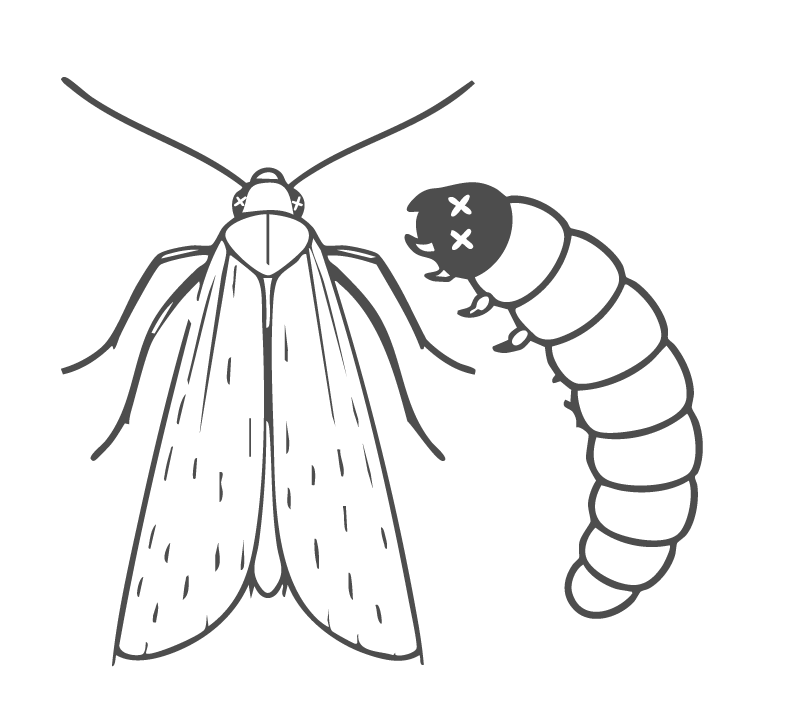
We apply professional-grade treatments to affected and high-risk areas, targeting active larvae, developing moths, hidden harbourage sites, and known breeding locations. Our treatments are designed to eliminate existing infestations while helping to prevent future activity.

3. Debriefing
Following the treatment, we provide practical recommendations to help reduce the risk of future infestations, including improved storage practices, cleaning recommendations, and monitoring strategies

4. House Keeping
Regular housekeeping, cleaning and vacuuming can help reduce the risk of future infestations after the treatment.
Why Are Case Making Clothes Moths A Problem?
Case making clothes moth larvae feed on materials containing keratin, a protein naturally found in animal fibres.
Common items at risk include:
- Wool carpets and rugs
- Woollen clothing
- Silk garments
- Cashmere and alpaca fabrics
- Fur products
- Feather-filled cushions and doonas
- Upholstered furniture
- Stored textiles and blankets
- Taxidermy specimens
The damage often appears as irregular holes, bare patches, or thinning areas in fabrics and carpets.
What Are Case Making Clothes Moths?
The Case Making Clothes Moth (Tinea pellionella) is a common fabric pest found throughout Australia. The larvae are known for constructing and carrying a small protective silken case made from fibres they consume.
As the larvae feed and grow, they enlarge this portable case and use it as protection while moving through carpets, wardrobes, and other hidden areas.
Because larvae often remain concealed inside their cases, infestations can go unnoticed until significant damage has already occurred.
Signs Of A Case Making Clothes Moth Infestation
Many property owners do not notice an infestation until visible damage occurs.
Common signs include:
Small Cases Attached To Fabrics
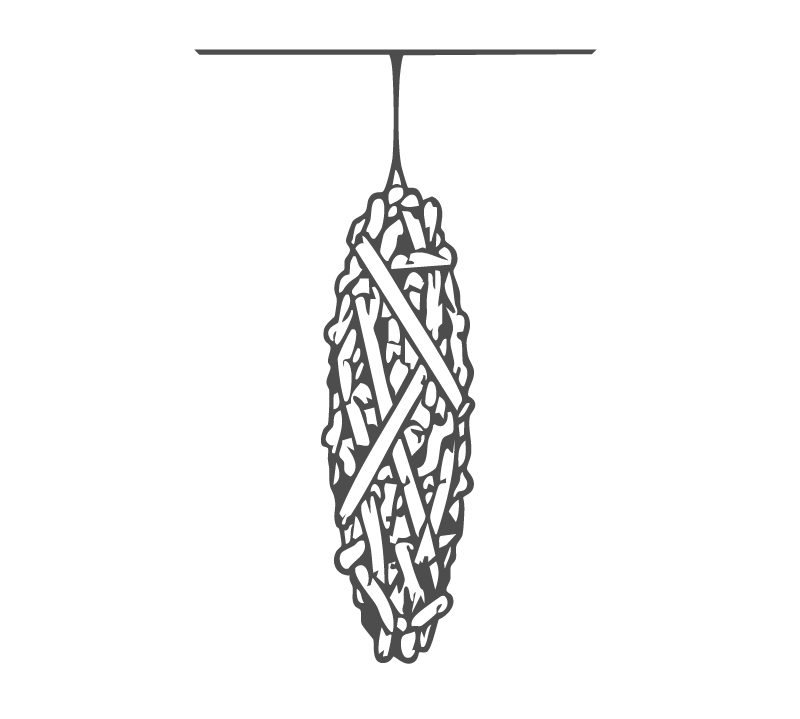
Larvae create small cigar-shaped silken cases that can often be found attached to carpets, clothing, furniture, or stored textiles.
Holes In Clothing And Fabrics
Irregular holes appearing in natural fibre materials are one of the most common warning signs.
Damage To Wool Carpets
Larvae may feed on wool carpets, creating bare patches and thinning areas.
Adult Moths Indoors
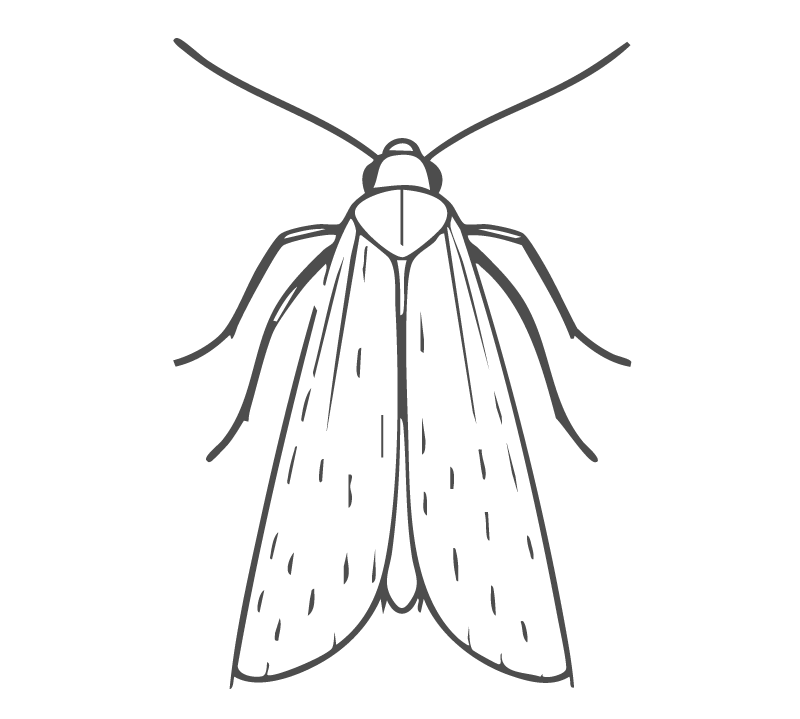
Adult moths are small, buff-coloured insects that may be seen flying around wardrobes, storage rooms, or other dark areas.
Larvae In Cupboards Or Storage Areas
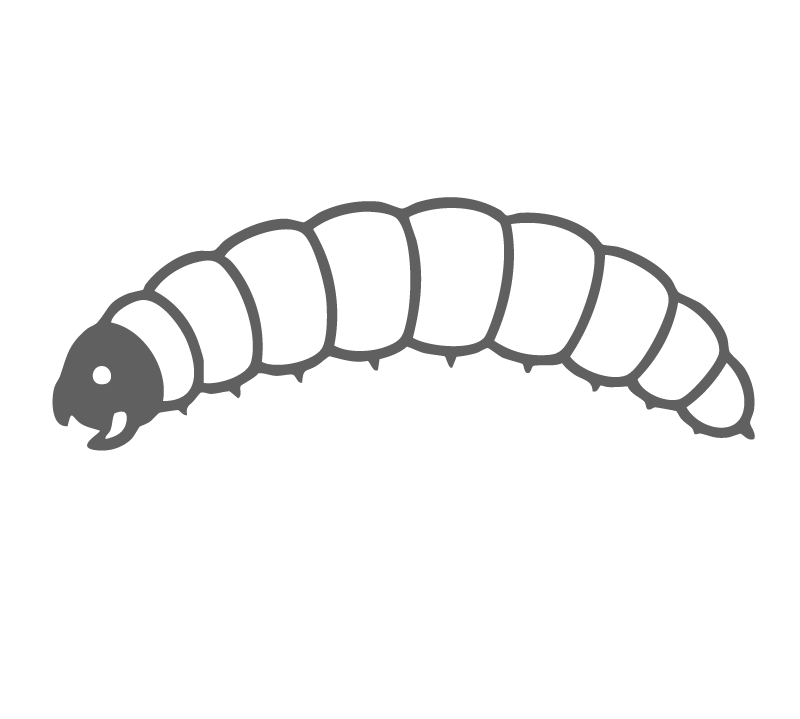
Small cream-coloured larvae may occasionally be visible amongst stored fabrics.
Why Choose EcoPest Group?
Over 30 Years Of Pest Control Experience
Our team has extensive experience managing fabric pests throughout Adelaide and South Australia.
Safe & Targeted Treatments
We use professional treatment methods designed to effectively control clothes moth infestations while minimising environmental impact.
Fully Licensed & Insured Technicians
All work is performed by trained and licensed pest management professionals.
Family & Pet Friendly Solutions
Our treatment programs are designed with the safety of your family and pets in mind.
Local Adelaide Experts
As a South Australian-owned business, we understand the unique pest challenges faced by Adelaide property owners.
Understanding The Life Cycle Of Case Making Clothes Moths
Eggs
Female moths lay eggs directly on suitable food sources such as wool, carpets, or clothing.
Larvae
The larval stage is responsible for all fabric damage. Larvae feed continuously while living inside their protective silken cases.
Pupae
Once fully grown, larvae pupate within their case before emerging as adults.
Adults
Adult moths do not damage fabrics. Their primary purpose is reproduction and laying eggs.
Because multiple life stages may be present at the same time, professional treatment is often required to achieve complete control.
Frequently Asked Questions
What is the difference between case making clothes moths and webbing clothes moths?
Case making clothes moth larvae carry a portable silken case as they feed and move around. Webbing clothes moth larvae create silken tunnels or webbing but do not carry a case.
Do adult clothes moths damage clothing?
No. Only the larvae feed on fabrics and cause damage. Adult moths do not eat clothing or carpets.
Can clothes moths damage carpets?
Yes. Case making clothes moth larvae commonly attack wool carpets, rugs, and other natural fibre floor coverings.
How do clothes moths enter a home?
They may enter through open doors and windows or be introduced through infested clothing, furniture, rugs, or second-hand items.
Can I treat clothes moths myself?
Cleaning and vacuuming can help reduce populations, but professional treatment is often required to eliminate hidden larvae and breeding sites.
How long does treatment take?
Most treatments can be completed in a single visit, although some infestations may require additional follow-up services.
Why Case Making Clothes Moths Are Common In Adelaide Homes
Case making clothes moths thrive in dark, undisturbed areas where natural fibres are present.
Common infestation locations include:
- Wardrobes
- Spare bedrooms
- Under furniture
- Storage cupboards
- Roof voids
- Under rugs
- Linen cupboards
- Garages and storage sheds
Many infestations begin in areas that are rarely cleaned or inspected.
Case Making Clothes Moth Treatment For Homes & Businesses
EcoPest Group provides clothes moth treatments for:
Residential Properties
- Houses
- Units
- Apartments
- Rental properties
- Retirement villages
Commercial Properties
- Hotels
- Accommodation facilities
- Aged care facilities
- Museums
- Retail stores
- Storage facilities
- Offices
Our treatment programs are tailored to suit the specific requirements of each property.