




Adelaide Fly Control
Say goodbye to flies with EcoPest Group’s comprehensive fly control solutions. Flies are more than just a nuisance; they carry and spread dangerous diseases such as Salmonella, E. coli, and gastroenteritis, contaminating food and surfaces. While flies play a role in nature, they don’t belong in or around your home. Our expert Adelaide fly control services are designed to eliminate infestations quickly and effectively, keeping your environment safe, healthy, and fly-free
Flies And Our Eco System
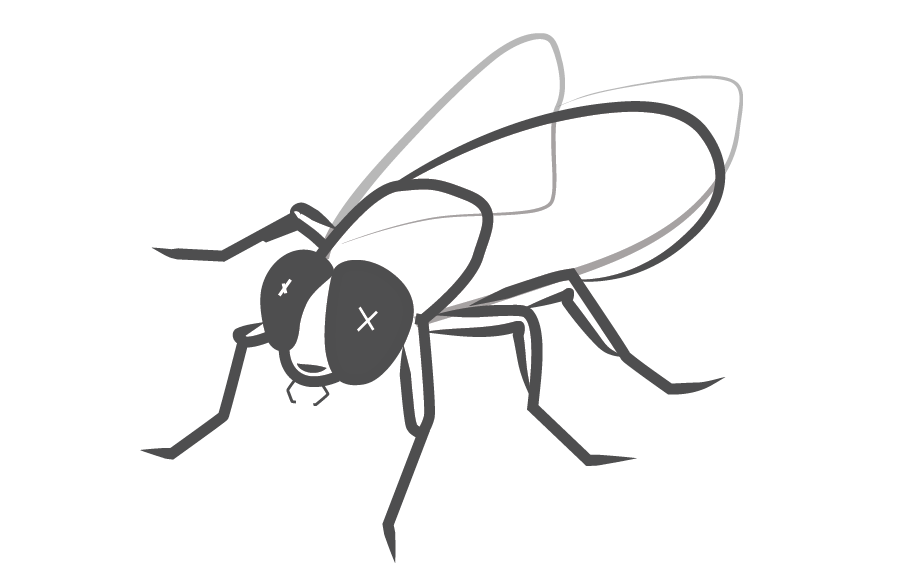
Although they’re unwelcome in homes, flies do play an important role in our ecosystem. They serve as a vital food source for birds, spiders, frogs, and other wildlife.
Our Fly Control Process

1. Consultation & Investigation
When your Eco Pest Group technician arrives, they will first discuss any areas where you’ve seen the flies or have specific safety requirements. They’ll also be happy to answer any questions you may have before the treatment begins.
2. Fly Treatments
Once we’ve identified where the flies are breeding and assessed the extent of the infestation, we’ll apply targeted residual sprays and baits to affected areas. UVA light traps and other methods maybe used. Follow-up treatments maybe required where activity levels are high.

3. Debriefing
After the treatment, our technician will provide you with a summary of the service, along with re entry periods, follow up treatments and remedial work such fly screens or other physical methods. A detailed report with images will also be sent to you via email.

4. Housekeeping
We need you help here, after your fly treatment, proper housekeeping is essential to ensure the service is fully effective. We will discuss with you how to remove / reduce fly breeding sites so you’ll have the best chance of achieving long-term fly protection and peace of mind.

5. Annual fly prevention
We recommend a fly treatment to be carried out at least every 12 months or more frequent in areas of high activity, which will help protect your home from future fly infestations. A reminder will be sent to you when this is due.
Common Flies Found In Adelaide
House Fly Control Adelaide
House flies are one of the most common fly pests found in Adelaide homes and businesses.
House flies are attracted to:
- food waste
- bins
- pet waste
- kitchens
- food preparation areas
- organic material
Large fly populations can spread bacteria and contaminate food preparation surfaces.
Blowfly Control Adelaide
Blowflies are large metallic flies commonly found around:
- rubbish bins
- animal waste
- dead animals
- compost areas
Blowfly infestations often increase during warmer months and may indicate nearby breeding sources.
Fruit Fly Control Adelaide
Fruit flies are small flying insects commonly found around:
- kitchens
- cafes
- restaurants
- bars
- fruit storage areas
- drains
Fruit flies breed rapidly in moist organic material and can quickly become difficult to control without addressing breeding sources.
Drain Fly Control Adelaide
Drain flies commonly breed inside:
- drains
- grease traps
- plumbing systems
- wet organic build-up
These flies are commonly found in:
- bathrooms
- kitchens
- commercial food areas
Drain fly infestations often require cleaning and treatment of breeding areas.
Why Fly Problems Are Common In Adelaide
Adelaide’s warm climate and long summers create ideal breeding conditions for flies, particularly during spring and summer when fly populations increase rapidly.
Fly activity is commonly associated with:
- rubbish bins
- food waste
- compost areas
- pet waste
- drains
- outdoor entertaining areas
- commercial food businesses
Properties with moisture and organic waste build-up may experience ongoing fly breeding activity if not properly managed.
Signs You May Have A Fly Problem
- large numbers of flies indoors
- flies around bins or drains
- increased fly activity near kitchens
- maggots near rubbish areas
- flies around food preparation spaces
- recurring fly problems during warm weather
Common Fly Breeding Areas
- rubbish bins
- pet waste
- drains
- compost bins
- grease traps
- food waste
- organic build-up
- dead animals
- wet areas
Successful fly control depends on identifying and reducing breeding sources. Without addressing breeding areas, fly infestations may continue returning even after treatment.
Why Fly Infestations Should Be Treated Quickly
Flies can spread bacteria and contaminate food preparation areas by landing on:
- food
- benches
- rubbish
- animal waste
- drains
Large fly infestations may create:
- hygiene concerns
- unpleasant odours
- food contamination risks
- customer complaints in businesses
Indoor & Outdoor Fly Problems
Indoor flies
- kitchens
- drains
- food waste
- bathrooms
Outdoor flies
- bins
- compost
- pet waste
- entertaining areas
Fly Activity During Adelaide Summers
Fly populations commonly increase throughout Adelaide during spring and summer when warm temperatures accelerate breeding activity.
Properties with:
- food waste
- moisture
- rubbish build-up
- outdoor entertaining areas
may experience significantly higher fly activity during warmer months.
Gnat Control Adelaide
Gnats are small flying insects commonly found around homes, kitchens, indoor plants and damp areas throughout Adelaide.
Several different small fly species are often referred to as “gnats,” including:
- fungus gnats
- fruit flies
- drain flies
- moisture-loving flying insects
Although small in size, gnats can quickly become a nuisance indoors if breeding sources are not properly addressed.
Fungus Gnats Around Indoor Plants
Fungus gnats are commonly found around:
- indoor plants
- potting mix
- overwatered soil
- greenhouses
- moist organic material
Adult fungus gnats are small dark flying insects often seen hovering around potted plants and windows.
Overwatering indoor plants and damp organic matter can create ideal breeding conditions.
Gnats Around Kitchens & Drains
Small flying gnats may also appear around:
- drains
- sinks
- bins
- food waste
- wet organic material
These infestations are often associated with:
- drain flies
- fruit flies
- moisture build-up
Identifying the breeding source is essential for effective long-term control.
Professional Gnat Treatments Adelaide
EcoPest Group provides targeted treatments for small flying insect infestations throughout Adelaide homes and businesses.
Treatment methods may include:
- breeding source identification
- drain treatments
- moisture reduction recommendations
- fly control treatments
- hygiene and prevention advice
Long-term control depends on reducing breeding conditions and moisture sources contributing to ongoing activity.
Frequently Asked Questions
Why do I suddenly have lots of flies
Large numbers of flies are often caused by nearby breeding sources such as:
- rubbish bins
- food waste
- pet waste
- drains
- compost areas
- dead animals
- organic build-up
Fly activity commonly increases during warmer weather when breeding conditions are ideal. Even small amounts of organic waste or moisture can attract large fly populations.
What attracts flies to my house?
Flies are attracted to:
- food scraps
- overflowing bins
- sugary drinks
- pet food
- drains
- compost
- animal waste
- moisture and organic material
Open doors, windows and outdoor entertaining areas can also increase fly activity inside homes and businesses.
How do flies breed?
Flies breed by laying eggs in moist organic material such as:
- rubbish
- food waste
- drains
- compost
- animal waste
- decaying organic matter
Under warm conditions, fly eggs can hatch quickly and develop into adult flies within days, allowing infestations to grow rapidly if breeding areas are not addressed.
Can flies spread disease?
Yes. Flies can spread bacteria and other contaminants by moving between:
- rubbish
- drains
- animal waste
- food preparation areas
Flies may contaminate food and surfaces, creating hygiene concerns in homes, restaurants, cafes and commercial food businesses.
How long does fly treatment last?
The longevity of fly treatments depends on:
- the fly species
- infestation severity
- environmental conditions
- breeding activity
- sanitation levels
Without addressing breeding sources, flies may quickly return. Ongoing fly management and hygiene improvements may be recommended for long-term control.
Are fly treatments safe for pets and children?
EcoPest Group uses targeted fly treatment methods and professional products designed to minimise unnecessary exposure to pets and children when applied correctly. Our technicians provide treatment advice and aftercare recommendations following every service.
How do I stop flies coming back?
Reducing fly breeding sources is essential for long-term fly control. Helpful prevention measures include:
- keeping bins clean and sealed
- removing food waste regularly
- cleaning drains
- reducing moisture build-up
- removing pet waste
- maintaining good hygiene around kitchens and outdoor areas
Professional fly treatments combined with breeding-site management provide the most effective long-term results.
What’s the difference between fruit flies and drain flies?
Fruit flies are small flies commonly attracted to:
- fruit
- sugary liquids
- food waste
- bars and kitchens
Drain flies are fuzzy moth-like flies that commonly breed inside:
- drains
- grease traps
- plumbing systems
- wet organic build-up
Although both are small nuisance flies, they breed in different environments and often require different treatment approaches.
What To Expect After Fly Treatment?
- fly activity may temporarily increase initially
- breeding sources must be addressed
- sanitation improvements improve results
- severe infestations may require follow-up visits
- seasonal fly pressure may affect activity levels
Commercial Fly Control Adelaide
EcoPest Group provides commercial fly control services for:
- restaurants
- cafes
- pubs
- food production facilities
- warehouses
- supermarkets
- hospitality venues
- healthcare facilities
Our commercial fly management programs may include:
- fly monitoring
- breeding-site reduction
- residual treatments
- drain treatments
- hygiene recommendations
- scheduled servicing
Why Adelaide Homes & Businesses Choose EcoPest Group
- 100% South Australian owned and operated
- Licensed and insured pest technicians
- Eco-friendly fly control methods
- Treatments tailored to Adelaide conditions
- Fast response times across Adelaide
- Digital service reports with photo evidence
- Residential and commercial pest expertise