




Termite Mud Tubes In Adelaide
Termites are one of the most destructive pests affecting Adelaide homes and businesses. Often referred to as “silent destroyers,” termites can cause significant structural damage before homeowners even realise there is a problem.
One of the earliest warning signs of subterranean termite activity is the presence of termite mud tubes or termite mud tunnels around your property. These small tunnel-like structures are commonly found on walls, foundations, subfloors, retaining walls and other areas where termites travel between their nest and a food source.
If you discover termite mud tubes around your Adelaide property, it’s important to arrange a professional termite inspection as soon as possible to help prevent further damage.
What Are Termite Mud Tubes?
Termite mud tubes are small protective tunnels built by subterranean termites using:
- soil
- timber particles
- saliva
- faecal matter
These mud tunnels help termites travel safely between their colony and food source while protecting them from:
- predators
- dry conditions
- temperature changes
Because subterranean termites require moisture to survive, mud tubes help maintain humid conditions while termites move through walls, foundations and structural areas.
Termite mud tunnels are commonly found both inside and outside Adelaide homes, particularly in areas with moisture or concealed access points.
Do Termite Mud Tubes Mean You Have Termites?
Yes. Termite mud tubes are often one of the first visible signs of a termite infestation.
Even if the tunnels appear old or inactive, they may still indicate previous or ongoing termite activity around your property. Subterranean termites can relocate and continue causing damage in hidden areas of the home.
If you discover termite mud tubes, it’s important to arrange a professional termite inspection to identify:
- active termite activity
- hidden termite damage
- termite entry points
- moisture conditions contributing to the infestation
Where Are Termite Mud Tubes Commonly Found?
Termite mud tunnels are commonly found around:
- brick walls
- concrete slabs
- subfloors
- garages
- retaining walls
- roof void access points
- bathrooms
- laundry areas
- timber fences
- foundations
In Adelaide homes, termite mud tubes are particularly common in older properties, damp areas and homes with garden beds or timber structures close to the building.
What Do Termite Mud Tunnels Look Like?
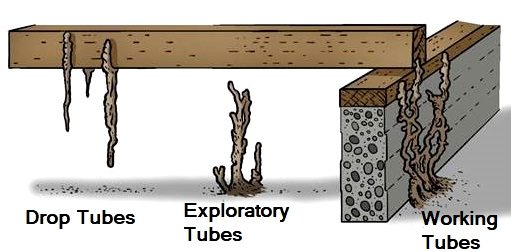
There are several different types of termite mud tunnels that may appear around Adelaide properties.
1. Exploratory Termite Tunnels
Exploratory tunnels are thin fragile mud tubes built by termites searching for new food sources.
These tunnels:
- branch in multiple directions
- are often lightweight and brittle
- may not contain active termites
- can extend long distances over concrete or brick surfaces
Exploratory tunnels often indicate termites are searching for timber or have relocated to another area of the property.
2. Working Termite Tunnels
Working tunnels, also known as utility tunnels, are actively used by termites travelling between the colony and a food source.
These tunnels are:
- stronger and more permanent
- commonly found along foundations and walls
- used for food transport and colony movement
- more likely to contain active termites
Working tunnels often indicate ongoing termite activity within the property.
3. Swarm Tubes
Swarm tubes, sometimes called swarm castles, are protective structures built for flying reproductive termites known as swarmers.
These larger mud structures help protect termites before they leave the colony to establish new nests.
Swarm tubes are commonly associated with mature termite colonies and may indicate advanced termite activity.
4. Drop Tubes
Drop tubes are hanging mud tunnels built downward from timber structures towards the ground.
These tubes:
- resemble hanging stalactites
- help termites travel efficiently between nesting and feeding areas
- commonly contain timber fibres and soil material
- are often easier to spot than other termite tunnels
Drop tubes may indicate active feeding areas above the tunnel location.
Should You Destroy Termite Mud Tubes?
No. If you discover termite mud tunnels, avoid completely removing or disturbing them before a professional termite inspection.
You can carefully break a small section of the tunnel to check for activity. If termites are still active, worker termites may quickly repair the damaged section.
However, fully destroying termite mud tubes may make it harder for termite specialists to:
- identify active areas
- determine termite movement
- assess infestation severity
- locate entry points
Professional termite inspections are the safest and most effective way to assess termite activity and develop an appropriate treatment plan.
Professional Termite Inspections Adelaide
EcoPest Group provides professional termite inspections and termite treatments across Adelaide and surrounding South Australian regions.
Our experienced Adelaide termite specialists can:
- identify termite activity
- locate hidden termite damage
- inspect termite mud tunnels
- assess moisture issues
- develop tailored termite treatment plans
If you’ve discovered termite mud tubes around your property, contact EcoPest Group to arrange a professional termite inspection or termite treatment quote.